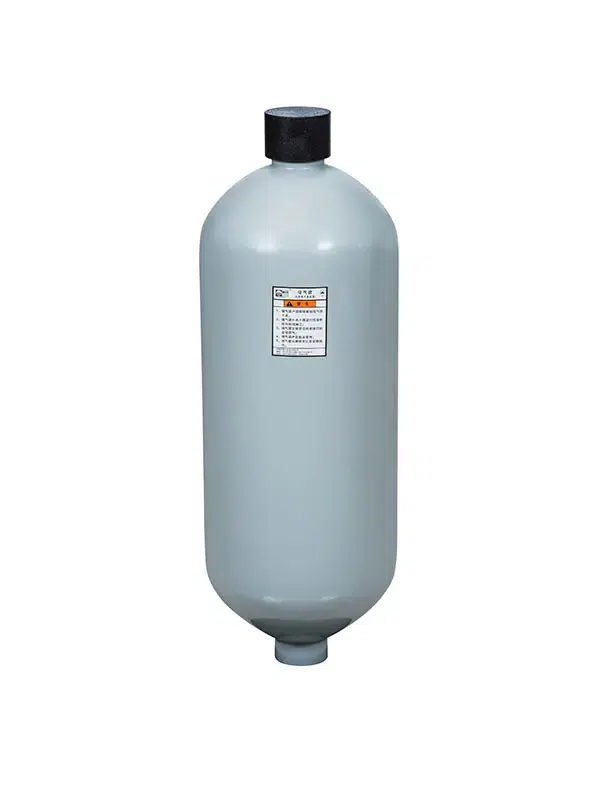
Bladder accumulators are used to store energy in hydraulic systems. The bladder separates nitrogen from the hydraulic oil, effectively storing energy and preventing leakage. It utilizes a soft bladder and nitrogen to control pressure, helping to maintain stable pressure and ensuring efficient machine operation. Due to their rapid response and ability to retain energy during pressure changes, bladder accumulators are widely used in manufacturing, mining, and energy industries. The global market is growing rapidly, and it is projected that by 2027, bladder accumulators will account for more than 42% of all hydraulic accumulators. Chaori Hydraulic, with over 47 years of experience, provides reliable solutions for a wide range of demanding industrial applications.
Regular pressure testing, inspection, and maintenance of bladder accumulators are crucial, as they help extend their lifespan and keep them in good working order. Choosing high-strength materials, such as nitrile rubber and fluororubber, is a wise choice, as these materials extend the accumulator’s lifespan and maintain good performance in harsh environments.

How a bladder accumulator works
Operating principle
A bladder accumulator is like a battery for hydraulic systems. First, you fill it with nitrogen gas. The gas goes inside a soft rubber bladder. When oil comes in, it pushes on the bladder. This makes the nitrogen gas get squeezed. The energy gets stored, like when you press a spring. If your machine needs more power, the gas pushes the oil out. This keeps machines working well and stops pressure from changing too fast.
Tip: Chaori Hydraulic makes bladder accumulators that react very fast. Your system can change pressure almost right away. This is great for machines that move quickly.
Gas and fluid separation
The bladder’s internal bladder separates the gas and oil. The oil pushes the bladder and compresses the gas. When the oil is expelled, the gas expands and pushes the oil out. This prevents the gas from mixing with the oil. Simultaneously, it ensures that energy is stored internally until needed.
Chaori Hydraulic uses high-strength rubber to make the bladder. This prevents leakage, thus avoiding loss of either gas or oil. You get excellent performance and extended accumulator life.
Pressure response
A bladder accumulator changes fast when pressure changes. If your system needs more oil, the gas gets bigger and pushes oil out fast. This keeps pressure steady and helps machines run smoothly. Nitrogen gas is good because it can take high pressure. It also does not turn into a liquid easily. This keeps your system safe and working well.
You can count on Chaori Hydraulic’s design for quick pressure changes and strong energy storage. This helps your equipment work its best.
Bladder accumulator components
Bladder material
The bladder is the most important part of a bladder accumulator. It keeps nitrogen gas inside and keeps it away from the hydraulic oil. The kind of material used for the bladder is very important. Some materials are better for certain jobs than others. Here is a table that lists the main materials used for bladders and what they do:
| Material Type | Description |
|---|---|
| Buna (Nitrile) | High-grade elastomeric material used for bladders |
| Butyl | Good option for general bladder construction |
| EPR (Ethylene Propylene Rubber) | Resists heat and chemicals |
| Viton | Handles extreme temperatures and tough fluids |
Chaori Hydraulic uses Nitrile and Viton for their bladders. These materials work well and last a long time. You can pick the best bladder for your machine.
Pressure vessel
The pressure vessel is the outside shell that keeps everything safe. It has to be very strong because it holds a lot of pressure. Most pressure vessels are made from seamless forged steel or chrome-moly carbon steel. These metals are very strong and keep you safe. Chaori Hydraulic checks every shell to make sure it works for hard jobs. You can also get stainless steel if you need it for places with a lot of rust. This makes your bladder accumulator last longer, even in tough places.
Note: All Chaori Hydraulic pressure vessels meet ASME and PED CE standards. You can trust these certifications for global use.
Valves and ports
Valves and connectors allow you to fill the air bladder with nitrogen and connect the accumulator to the hydraulic system. You can check or adjust the air pressure using the top valve. Chaori Hydraulic’s valves are easy to maintain, allowing for quick component replacement and ensuring continuous machine operation. Custom connectors or fittings can also be made to meet your project needs.
Bladder Accumulator Applications
Industrial systems
Bladder accumulators are used in many factories. They help machines by storing energy and releasing it when needed. You can find them in different industries. Here is a table that shows where they are used and what they do:
| Industry | Primary Applications |
|---|---|
| Manufacturing | Hydraulic presses, injection molding |
| Mining | Heavy machinery, emergency energy storage |
| Oil & Gas | Oil filtration, pressure stabilization |
| Energy | Wind turbines, system stability |
Bladder accumulators keep pressure steady and protect machines. They work in fast systems and help with jobs like dampening and preventing blowouts. Chaori Hydraulic has models for places with lots of rust or chemicals. These models follow global safety rules, so you can use them almost anywhere.
Mobile and offshore equipment
Bladder accumulators are widely used in ships, oil drilling platforms, and large trucks. They ensure efficient operation of these devices even in harsh environments.
Chaori Hydraulic’s bladder accumulators are suitable for demanding environments. You can rely on their performance even in severe weather or high-intensity operating conditions.
Energy storage
A bladder accumulator stores excess energy when the machine doesn’t need it. When the machine requires more power, it quickly releases the energy. This helps reduce system energy consumption and ensures smooth operation.
Tip: If you want an energy-efficient and highly effective system, a bladder accumulator is a wise choice.
Advantages and disadvantages
Key benefits
There are many good things about using a bladder accumulator. Here are some of the main reasons:
- It is small and light, so you can put it almost anywhere.
- It holds a lot of energy in a small space. This is good for machines that need lots of power.
- It reacts fast and helps your system change pressure quickly.
- It works well and does not waste much energy.
- It is easy to take care of, which saves time and money.
- It is strong and can handle hard jobs and tough weather.
A strong bladder accumulator can last a long time, even with hard work. You will not have to fix or replace it often. If you check it often and do simple care, your system will last longer and cost less.
Here is a table that shows how bladder accumulators compare to other types:
| Accumulator Type | Efficiency | Response Time |
|---|---|---|
| Bladder accumulators | High | Rapid |
| Piston accumulators | Moderate | Slower |
| Diaphragm accumulators | Moderate | Faster |
Bladder accumulators are best when you need fast pressure changes and steady energy.
Potential drawbacks
There are also some things that are not as good. Bladder accumulators might not work well if the pressure is very high. Other types, like piston accumulators, can handle higher pressure better. You may need to look at the bladder for damage and change it after a long time. Taking care of it often is important to keep your system safe and working right.
Tip: Always pick the right accumulator for your job. Think about how much pressure, space, and speed your system needs.
Bladder Accumulator Maintenance
Inspection tips
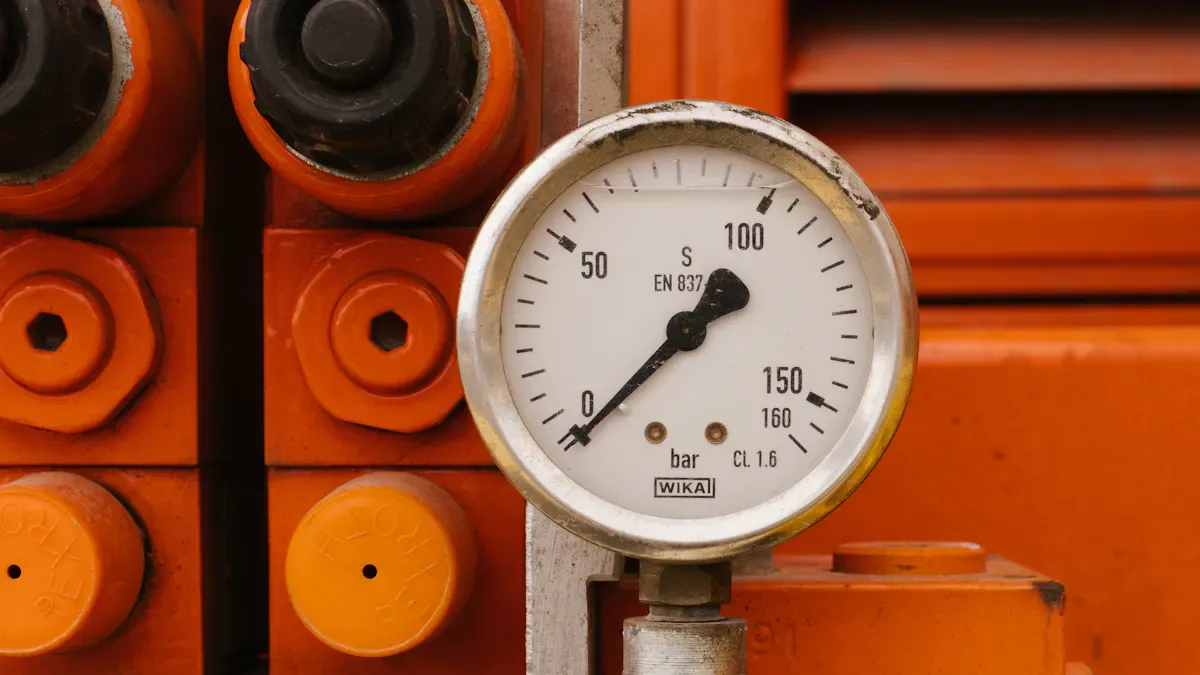
To ensure the air reservoir functions properly, you need to inspect it regularly. Check the exterior for rust, cracks, or leaks. Ensure the air reservoir is stored upright. This helps prevent uneven wear and avoids liquid blockage. Use a pressure gauge to check the pre-charge pressure. If the pressure is too low, add nitrogen.
You should also have it inspected annually by a professional or follow the manufacturer’s recommendations. Regular inspections help detect problems early and ensure system safety.
Common repairs
Sometimes, you need to repair the air reservoir. The most common repair methods include replacing the air reservoir, fixing leaks, or cleaning the valve. If there is oil inside the air reservoir, it indicates that the air reservoir is damaged or torn and must be replaced immediately. If the valve is leaking oil, it may be due to dirt or corrosion. Remove and clean the valve core, and replace it with a new valve core if necessary.
The Chaori Hydraulic is designed for easy maintenance. You can quickly replace the air reservoir and seals, thus reducing machine downtime.
Lifespan and reliability
A bladder accumulator can last many years if you take care of it. How long it lasts depends on how often you check the pre-charge, how you set it up, and if you do regular care. You should do hydrotesting every five years to make sure the shell is strong. Regular care helps stop sudden problems.
Bladder accumulators can break without warning, so you must pay attention. Chaori Hydraulic makes their units to last a long time. With good care, you can trust your system to work safely for many years.
Tip: Taking care of your equipment means fewer repairs and a longer life.
You use a bladder accumulator to hold energy and stop shocks. It helps your hydraulic system work well. If you pick a good brand like Chaori Hydraulic, your machine works better and lasts longer. It is also easier to take care of. These devices help you keep pressure steady and protect your equipment. They also help you save money. More people want these devices around the world. If you buy a good one, your system will work well for many years.
For safe, strong, and long-lasting hydraulic systems, use bladder accumulators in your setup.
FAQ
What does a bladder accumulator do?
A bladder accumulator stores energy in hydraulic systems. You use it to keep pressure steady, absorb shocks, and release oil quickly when your machine needs it.
How do you check the pre-charge pressure?
Use a pressure gauge on the gas valve. Make sure the system is off and there is no oil pressure. Check the reading and add nitrogen if needed.
What gas goes inside a bladder accumulator?
You fill the bladder with dry nitrogen gas. Nitrogen works best because it does not react with oil or metal parts.
How often should you replace the bladder?
You should inspect the bladder every 3 to 5 years. Replace it if you see any damage, leaks, or if the accumulator does not hold pressure.