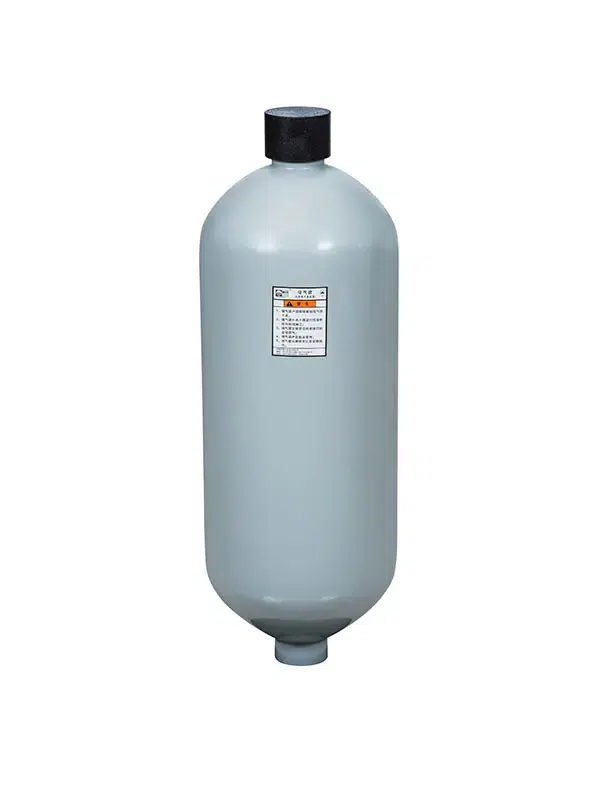
Piston accumulators are used to store energy and control pressure in hydraulic systems. These devices are widely used across various industries, helping machines operate smoothly and safely. Chaori Hydraulic has over 47 years of experience dedicated to producing powerful accumulators suitable for a wide range of demanding operating conditions.
- The worldwide market for piston accumulators was USD 2.3 billion in 2023.
- Experts think it will grow to USD 3.5 billion by 2032. This means a 4.9% increase each year.
| Function | Description |
|---|---|
| Energy Storage | Saves energy so you can use it later when needed. |
| Pressure Maintenance | Keeps pressure steady, even if things change. |
| Shock Absorption | Protects your system by soaking up sudden pressure jumps. |
| Efficiency Improvement | Helps your machines work better and saves energy. |
Key Takeaways
- Piston accumulators keep energy and manage pressure in hydraulic systems. They help machines work well and stay safe.
- They are good at storing energy. This lets machines work better and use less energy in many industries.
- Checking piston accumulators often is important. You should look at seals and pressure to keep them working safely for a long time.
- Picking the right size and kind of piston accumulator is very important. It helps your hydraulic system work best and stay safe.
- Piston accumulators can be used in many ways. They work in big machines and also in moving equipment.
Piston accumulator working principle
Separation mechanism
Piston accumulators have a unique internal structure. A robust piston moves within a robust cylinder. One side of the cylinder is filled with nitrogen, and the other side with hydraulic oil. The moving piston isolates the hydraulic oil and the compressed gas (usually nitrogen). During system operation, the piston reciprocates, keeping the gas and oil separated.
This isolation is crucial. It safely stores energy and releases it when needed. The piston has seals to prevent leakage. The gas and oil are kept on opposite sides of the piston. Bladder accumulators, on the other hand, use a rubber bladder instead of a piston.
Key components
A piston accumulator has several main parts. Each part does something important:
| Component | Function |
|---|---|
| Cylinder Shell | Holds everything together and handles high pressure. |
| Movable Piston | Keeps gas and hydraulic fluid apart and moves to balance pressure. |
| Gas Chamber (Nitrogen) | Stores nitrogen gas for energy. |
| Fluid Chamber | Holds hydraulic oil from your system. |
| Sealing System | Stops gas and fluid from leaking or mixing. |
Chaoli Hydraulics uses cylinders made of high-strength steel. The smooth inner wall of the cylinder reduces friction and protects the seals. The sealing system uses O-rings and special seals to effectively prevent leakage even under high pressure. These accumulators are suitable for harsh operating conditions. They are similar to bladder accumulators but can handle larger capacities and higher compression ratios.
Operation steps
You can learn how piston accumulators work by looking at these steps:
- First, you fill the gas chamber with dry nitrogen. This sets the starting pressure.
- When oil enters the accumulator, it pushes the piston.
- The piston moves and squeezes the nitrogen gas.
- The squeezed gas stores energy. When your system needs more oil, the gas pushes the piston back and sends oil out.
- The piston always keeps gas and oil apart. This keeps your system clean and safe.
Always let out all pressure before starting. Wear safety glasses and follow safety rules.
Piston accumulators store energy, control pressure, and absorb shocks. You see them in places like steel mills and oil platforms. They are strong and have good seals. They can handle very high pressure, up to 3,000 PSI or 1,200 bar. Chaori Hydraulic’s design gives you reliable performance. You get more choices for size and pressure control than bladder accumulators.
Advantages of piston accumulators
Energy storage efficiency
Piston hyd accumulators offer superior energy storage performance, significantly exceeding that of diaphragm or bladder accumulators, especially under high pressure. The piston design helps reduce energy loss, particularly during gas compression or release. This results in more efficient system operation and lower energy consumption. Piston accumulators are widely used in factories and heavy industries, operating stably even under demanding conditions. Chaori Hydraulic manufactures large accumulators, with single units capable of storing up to 1500 liters of fluid and enabling substantial gas compression, helping you save and control energy. Chaori Hydraulic can also customize accumulators to meet your specific needs.
Pressure stabilization
Piston accumulators help keep pressure steady. They soak up changes and shocks. This helps your machines run without problems. You can see how flexible they are in this table:
| Specification | Value |
|---|---|
| Capacity Range | 1 Pint (0.5 L) to 265 Gal (1000 L) |
| Pressure Range | 70 psi (5 bar) to 20,000 psi (1379 bar) |
You can use them for small or big jobs. They work in tiny machines and huge steel mills. If your main power stops, they give emergency power. This makes them a smart pick for any job that needs steady pressure and backup.
Durability and maintenance
You want your machines to last a long time. Piston accumulators are strong and last many years. Chaori Hydraulic uses thick steel and strong seals. Their accumulators have ASME and CE safety marks. To keep your accumulator working well, do these things:
- Check the gas pre-charge every few months.
- Look for wear on the piston or seals.
- Keep the hydraulic fluid clean.
- Check for leaks or damage often.
- Watch the temperature and pressure cycles.
Tip: Doing regular checks helps your accumulator last longer and keeps your system safe.
Chaori Hydraulic can make special accumulators for you. You get expert help and worldwide service. You always have support when you need it.
Applications of Piston Accumulators

Industrial systems
Piston accumulators are used in many big industries. They help control high flow and strong pressure. Steel mills and oil platforms use them to keep machines working well. The table below shows how different industries use them:
| Industry | Specific Requirements |
|---|---|
| Oil & Gas | Reliable shock absorption and fluid management in tough extraction environments. |
| Machine Tools | Stabilizes hydraulic pressure and flow for better precision and efficiency. |
| Rail | Manages hydraulic shocks and keeps system pressure stable. |
| Marine | Stores energy, controls hydraulics, absorbs shock, and maintains pressure. |
Chaori Hydraulic makes accumulators for hard jobs. These accumulators are strong and can handle high pressure, up to 40 BarG (580 PSIG). This makes them great for hydraulic stations and emergency power systems.
Tip: Always check the pressure, fluid amount, and temperature before picking an accumulator for your job.
Mobile equipment
Piston accumulators are also found in mobile machines. Construction and farm vehicles need steady pressure and energy storage. These accumulators help control hydraulic systems, even on bumpy ground. They soak up shocks and keep your machines safe. You get smooth work and better safety, even when the ground is rough.
Bladder accumulators work in some mobile machines. But piston accumulators can handle more flow and higher pressure. Forestry and farm machines use them to work better and last longer.
Energy recovery
Piston accumulators are important for saving energy. You can use them in green energy systems, like wind turbines. They store energy that might be wasted. When your system needs more power, the accumulator gives it. This helps keep pressure and flow steady in your hydraulic systems.
You also see these accumulators in backup power jobs. They give extra energy in steel plants and big press machines. Chaori Hydraulic has solutions for big and high-pressure needs, so they are a smart pick for saving energy.
Note: Piston accumulators help you save energy and make your system work better in many jobs.
Selecting piston accumulators
Selection criteria
You must select the appropriate accumulator for your system. First, consider your project requirements. Check the operating pressure and flow rate. Inquire about the type of hydraulic oil you are using. Each project has unique requirements. You also need to consider the available space. Piston accumulators generally take up more space than bladder accumulators. If you have limited space, take measurements before purchasing.
Tip: Avoid mistakes. Do not set the precharge pressure too high or too low. Both can cause system problems. Always read the manufacturer’s instructions.
Chaori Hydraulic has an experienced team of experts who can assist you. Their team will help you select the best accumulator and provide advice on installation and maintenance. This helps your system operate safely and efficiently.
Sizing and capacity
Accumulators are available in a variety of sizes, and choosing the right capacity is crucial. It helps your system operate better and ensures safety. Some capacities are as small as 1 pint (0.5 liters), while others are as high as 265 gallons (1000 liters). Pressure ranges from 70 psi (5 bar) to 20,000 psi (1379 bar). Be sure to choose the size and capacity that is right for your system. If you choose the right capacity, the pressure will remain stable and the energy will be stored effectively.
Safety and compliance
Safety is very important in hydraulic systems. You should choose accumulators with ASME or CE marks. These show your accumulator follows safety rules. Take care of your system by checking it often. Look at the seals, piston, and fluid. Watch for leaks or changes in pressure.
Chaori Hydraulic can make special accumulators for you. Their experts help you follow safety rules. They help your machines work well and last longer.
Note: Picking the right accumulator and taking care of it helps it last longer and keeps your system safe.
FAQ
What is the main job of a piston accumulator?
You use a piston accumulator to store energy and control pressure in a hydraulic system. It keeps gas and oil separate with a moving piston. This helps your machines run smoothly and safely.
How do you know what size piston accumulator you need?
You check your system’s pressure, flow rate, and oil volume. You also look at how much space you have. If you need help, you can ask Chaori Hydraulic’s experts for advice.
How often should you check a piston accumulator?
You should check your accumulator every few months. Look for leaks, worn seals, and changes in pressure. Regular checks help your system last longer and stay safe.
Can you use piston accumulators in mobile machines?
Yes, you can. Piston accumulators work well in construction, farm, and forestry equipment. They help absorb shocks and keep pressure steady, even on rough ground.
What safety marks should you look for?
You should look for ASME or CE marks. These show your accumulator meets important safety standards. Always choose certified products for your hydraulic system.